
Navigating Deepfakes and Election Fraud: A Citizen's Guide for 2026

The 2026 election year is approaching, and with it comes a surge in new threats to the democratic process. Among these threats, deepfakes and cognitive attacks are becoming more common, posing serious risks to voters and the integrity of elections. These sophisticated forms of misinformation can manipulate public opinion and spread falsehoods with alarming speed. Understanding how to spot and respond to these tactics is essential for every citizen who wants to protect their vote and support a fair election.
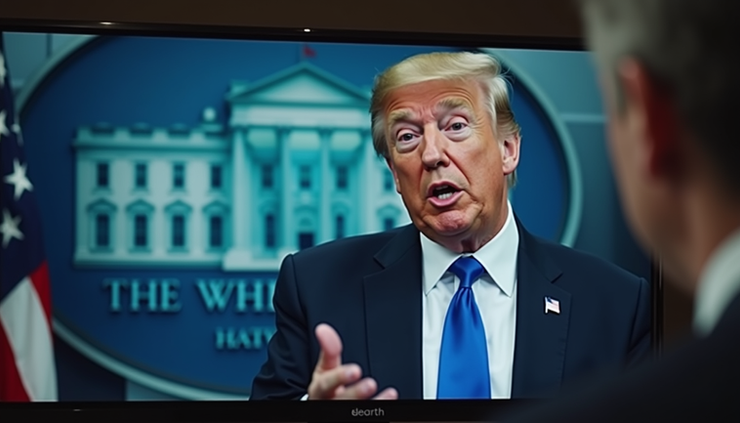
What Are Deepfakes and Why Do They Matter?
Deepfakes are realistic but fake videos or audio recordings created using artificial intelligence. They can make it appear as if someone said or did something they never actually did. In election years, deepfakes can be weaponized to spread false statements, fake endorsements, or damaging accusations against candidates.
These videos are difficult to detect because they often look and sound authentic. Unlike traditional fake news, deepfakes combine visual and audio elements, making them more convincing and harder to debunk quickly. This can confuse voters and influence opinions based on false information.
How Deepfakes Fuel Election Fraud
Deepfakes contribute to election fraud by:
Spreading false information about candidates or voting procedures.
Creating fake endorsements or statements that mislead voters.
Sowing distrust in the electoral system by making it seem corrupt or rigged.
Targeting specific groups with tailored misinformation to suppress votes or sway opinions.
For example, in recent elections worldwide, deepfake videos have been used to falsely show candidates making controversial remarks or engaging in illegal activities. These videos often go viral, causing lasting damage.
Cognitive Attacks and Their Role in Election Manipulation
Cognitive attacks are psychological tactics designed to exploit how people think and make decisions. They often use misinformation, emotional appeals, and social pressure to influence voter behavior. Deepfakes are a tool within these attacks, but cognitive attacks also include:
Fake news articles that confirm existing biases.
Manipulated images that evoke strong emotions.
Coordinated social media campaigns to amplify false narratives.
These attacks aim to confuse voters, reduce trust in institutions, and polarize communities, making it harder for people to make informed choices.
How Citizens Can Spot Deepfakes and Misinformation
Being able to identify deepfakes and cognitive attacks is crucial. Here are practical tips to help you spot them:
Check the source: Verify if the video or information comes from a trusted news outlet or official campaign channel.
Look for inconsistencies: Pay attention to unnatural facial movements, odd lighting, or mismatched audio.
Cross-check facts: Use multiple reputable sources to confirm statements or events shown in the video.
Be cautious of emotional content: Deepfakes often aim to provoke anger or fear. Pause and think before sharing.
Use technology tools: Some apps and websites can analyze videos for signs of manipulation.
For example, if you see a video of a candidate making a shocking claim, search for official statements or trusted news reports before accepting it as true.
What to Do If You Encounter a Deepfake or Misinformation
If you suspect a deepfake or false information, take these steps:
Do not share it immediately. Sharing unverified content can spread misinformation.
Report it to the platform where you found it, such as social media sites.
Inform others by sharing verified information or fact-checks.
Stay informed by following reliable news sources and election authorities.
Encourage critical thinking among friends and family to reduce the spread of false content.
By acting responsibly, you help protect the election process and support a healthy environment.
The Role of Election Officials and Technology
Election officials are working to combat deepfakes and misinformation by:
Educating voters about these threats.
Monitoring social media for suspicious content.
Collaborating with tech companies to detect and remove fake videos.
Providing clear, accessible information about voting procedures.
Technology companies are also developing tools to identify deepfakes quickly and flag them for users. However, technology alone cannot solve the problem. Citizen awareness and vigilance remain key.
Staying Prepared for the 2026 Election
As the election year approaches, staying informed and cautious is more important than ever. Here are some final recommendations:
Follow official election websites for updates and accurate information.
Attend community forums or webinars about election security.
Practice digital literacy by learning how to evaluate online content critically.
Discuss election topics respectfully with others to reduce polarization.
Vote confidently knowing you have taken steps to protect yourself from misinformation.
Your role as a citizen is vital in defending our republic against new challenges like deepfakes and cognitive attacks.


Comments